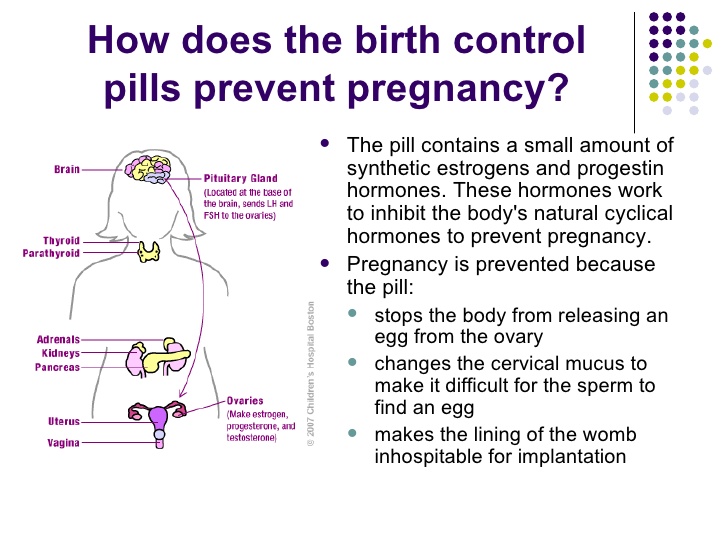
does estrogen prevent pregnancy Pregnancy physiology drugs progesterone terminate receptor uterine contraction receptors oxytocin prostaglandins implantation binding intracellular
Today, I want to delve into the fascinating history and science behind urine-based pregnancy tests. Yes, you read that right – urine! It may seem strange, but urine has been used as a diagnostic tool for centuries, specifically for determining pregnancy. Let’s explore the intriguing journey of these tests and also discuss another important topic related to women’s health – estrogen dominance.
Pee is for Pregnant: The History and Science of Urine-Based Pregnancy Tests
Believe it or not, urine-based pregnancy tests have been utilized since ancient times. One of the earliest recorded instances dates back to ancient Egypt, where women would urinate on barley or wheat seeds. If the seeds sprouted, it was believed to indicate pregnancy.
Fast forward to the 20th century, and urine-based pregnancy tests as we know them today began to emerge. In 1968, the first widely-available home pregnancy test hit the market. This groundbreaking invention, called “e.p.t.” (Early Pregnancy Test), allowed women to confirm their pregnancy from the comfort of their own homes. The test worked by detecting the presence of human chorionic gonadotropin (hCG), a hormone produced during pregnancy, in a woman’s urine.
In recent years, pregnancy tests have become even more accurate, with some boasting a 99% accuracy rate within just a few days of a missed period. These tests are now capable of detecting even small amounts of hCG in urine, making them highly reliable and accessible to women worldwide.

It’s truly fascinating how science and technology have evolved to improve our understanding of reproductive health. Today, millions of women rely on urine-based pregnancy tests to determine their pregnancy status, allowing them to plan for the future and make informed decisions about their lives.
Estrogen Dominance: Menopause, Fibroids, Ovarian Cysts, Endometriosis
Now, let’s shift gears and touch upon the topic of estrogen dominance. Estrogen is a vital hormone in a woman’s body. It plays a significant role in the menstrual cycle, the growth and development of reproductive organs, and various other physiological processes.
However, sometimes the levels of estrogen can become imbalanced, leading to estrogen dominance. Estrogen dominance occurs when there is an excess of estrogen compared to other hormones, particularly progesterone. This imbalance can manifest in various ways and has been associated with conditions such as menopause, fibroids, ovarian cysts, and endometriosis.
Menopause, a natural stage in a woman’s life, is characterized by a decrease in estrogen production. This hormonal shift can cause several physical and emotional changes, including hot flashes, irregular periods, and mood swings.
Fibroids, on the other hand, are noncancerous growths in the uterus that often appear during a woman’s reproductive years. Although the exact cause of fibroids is unclear, estrogen is thought to influence their growth and development.
Ovarian cysts are fluid-filled sacs that form on or inside the ovaries. While some cysts are a normal part of the menstrual cycle, others can be associated with hormonal imbalances, including estrogen dominance.
Finally, endometriosis is a condition in which the tissue lining the uterus grows outside of it. The excess estrogen in the body is believed to contribute to the growth and progression of endometriosis.
Understanding estrogen dominance and its potential effects on women’s health is crucial. It allows healthcare providers to diagnose and treat these conditions, ultimately improving the quality of life for those affected.
In conclusion, urine-based pregnancy tests have come a long way since their ancient origins. They have revolutionized how women confirm their pregnancies and make important decisions about their lives. Additionally, the concept of estrogen dominance sheds light on various women’s health conditions, contributing to improved diagnosis and treatment options.
Sources:
- Pee is for Pregnant: The history and science of urine-based pregnancy tests - source
- Estrogen Dominance: Menopause, Fibroids, Ovarian Cysts, Endometriosis - source
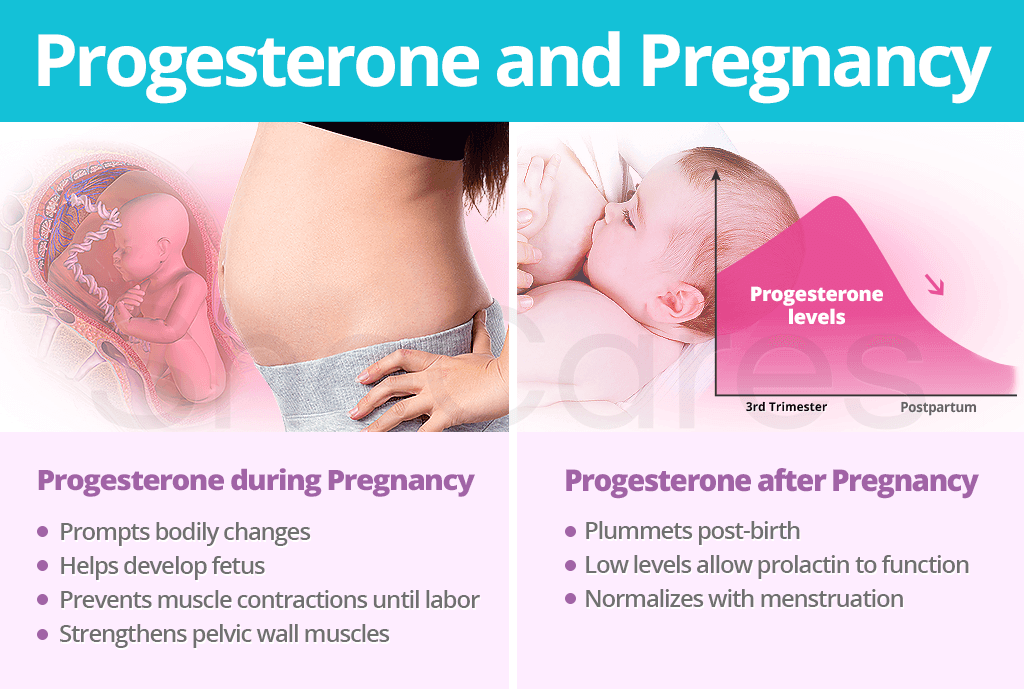
If you are looking for Progesterone and Pregnancy | SheCares you’ve came to the right place. We have 5 Pics about Progesterone and Pregnancy | SheCares like Pee is for Pregnant: The history and science of urine-based pregnancy, Physiology of Pregnancy and Site of Action of Drugs Used to Terminate and also Progesterone and Pregnancy | SheCares. Here you go:
Progesterone And Pregnancy | SheCares
 www.shecares.compregnancy progesterone hormones shecares
Estrogen Dominance: Menopause, Fibroids, Ovarian Cysts, Endometriosis
medicienterprises.comovarian estrogen cancer dominance tied cervical cysts endometriosis uterine fibroids menopause together they medicienterprises
Pee Is For Pregnant: The History And Science Of Urine-based Pregnancy
 sitn.hms.harvard.eduhormone pregnant urine hormones menstrual harvard sitn hms
Estrogen Deficiency: Before, During, And After Pregnancy - The Pulse
 blog.pregistry.comestrogen deficiency palpitations imbalance hormonal levels pregistry cause
Physiology Of Pregnancy And Site Of Action Of Drugs Used To Terminate
 www.researchgate.netpregnancy physiology drugs progesterone terminate receptor uterine contraction receptors oxytocin prostaglandins implantation binding intracellular
Pregnancy physiology drugs progesterone terminate receptor uterine contraction receptors oxytocin prostaglandins implantation binding intracellular. Progesterone and pregnancy. Estrogen deficiency palpitations imbalance hormonal levels pregistry cause