ketogenic diets for diabetes and prediabetes Ketogenic diets athletes nutrition sports asker advice
A ketogenic diet, also known as a keto diet, has become increasingly popular in recent years as a potential treatment option for diabetes. This low-carb, high-fat diet aims to put the body into a state of ketosis, where it burns fat for fuel instead of carbohydrates. Many individuals with diabetes, both type 1 and type 2, have reported positive outcomes from following a ketogenic diet.
Benefits of a Ketogenic Diet for Diabetes
One of the main advantages of a ketogenic diet for individuals with diabetes is its ability to help regulate blood sugar levels. By reducing carbohydrate intake, the body produces less insulin, which is essential for individuals with type 1 diabetes who rely on injected insulin. This can lead to more stable blood sugar levels throughout the day.
A ketogenic diet can also help with weight loss, which is beneficial for people with type 2 diabetes. Excess weight can contribute to insulin resistance, making it harder for the body to effectively use insulin. By shedding extra pounds, individuals can improve their insulin sensitivity and overall glycemic control.
Another potential benefit of a ketogenic diet for diabetes is its ability to reduce inflammation. Chronic inflammation is often associated with diabetes and can contribute to complications such as cardiovascular disease. The high-fat content of a keto diet, particularly the consumption of healthy fats like avocados, nuts, and olive oil, can help reduce inflammation in the body.
Considerations for Individuals with Diabetes
While a ketogenic diet can offer potential benefits for individuals with diabetes, it’s important to approach it with caution and under the guidance of a healthcare professional. Since the diet is low in carbohydrates, it can increase the risk of hypoglycemia, especially for those taking medications or insulin to lower their blood sugar levels.
Monitoring blood sugar levels closely and adjusting medication doses accordingly is crucial when starting a ketogenic diet. It’s also essential to ensure that nutritional needs are met and that individuals are receiving an adequate intake of vitamins, minerals, and fiber through alternative food sources.
Additionally, staying hydrated is vital when following a ketogenic diet. Since the body excretes more water during ketosis, individuals may need to increase their fluid intake to prevent dehydration. This is especially important for individuals with diabetes, as dehydration can affect blood sugar levels and overall well-being.
Incorporating a Ketogenic Diet into Diabetes Treatment
If considering a ketogenic diet as part of diabetes treatment, it’s important to work closely with a healthcare team, including a registered dietitian or diabetes educator, to develop a personalized plan. They can provide guidance on carbohydrate intake, appropriate fat sources, portion sizes, and monitoring techniques.
When incorporating a ketogenic diet into diabetes treatment, it’s important to prioritize nutrient-dense foods. This means focusing on high-quality fats, such as avocados, nuts, seeds, and olive oil, as well as lean protein sources like poultry, fish, and tofu. Non-starchy vegetables should also be a staple, providing essential vitamins, minerals, and fiber.
While a ketogenic diet can be effective for many individuals with diabetes, it is not a one-size-fits-all solution. It may not be suitable for everyone, especially individuals with certain medical conditions or dietary restrictions. Consulting a healthcare professional is crucial to determine whether a ketogenic diet is appropriate and safe for an individual’s specific needs.
Conclusion
The ketogenic diet shows promise as a potential treatment option for individuals with diabetes. By reducing carbohydrate intake and increasing healthy fats, it may help regulate blood sugar levels, aid in weight loss, and reduce inflammation. However, caution must be exercised, and close monitoring of blood sugar levels and overall health is necessary. Working with a healthcare professional is essential to ensure that a ketogenic diet is safely incorporated into diabetes treatment and meets an individual’s specific needs.
Sources:
“Does a Ketogenic Diet Fit in Diabetes Treatment? – Diabetes Daily.” Diabetes Daily, source.
“Ketogenic Diet Diabetes Type 1 - Healthy Diet Life - HealthGrean.” HealthGrean, source.
If you are looking for Ketogenic diets for athletes you’ve came to the right page. We have 5 Pics about Ketogenic diets for athletes like Ketogenic Diet Diabetes Type 1 - Healthy Diet Life - HealthGrean, Ketogenic diets for athletes and also Ketogenic Diet for Diabetes and Prediabetes - A Beginner’s Guide. Here you go:
Ketogenic Diets For Athletes
 www.mysportscience.comketogenic diets athletes nutrition sports asker advice
Ketogenic Diet For Diabetes And Prediabetes - A Beginner’s Guide
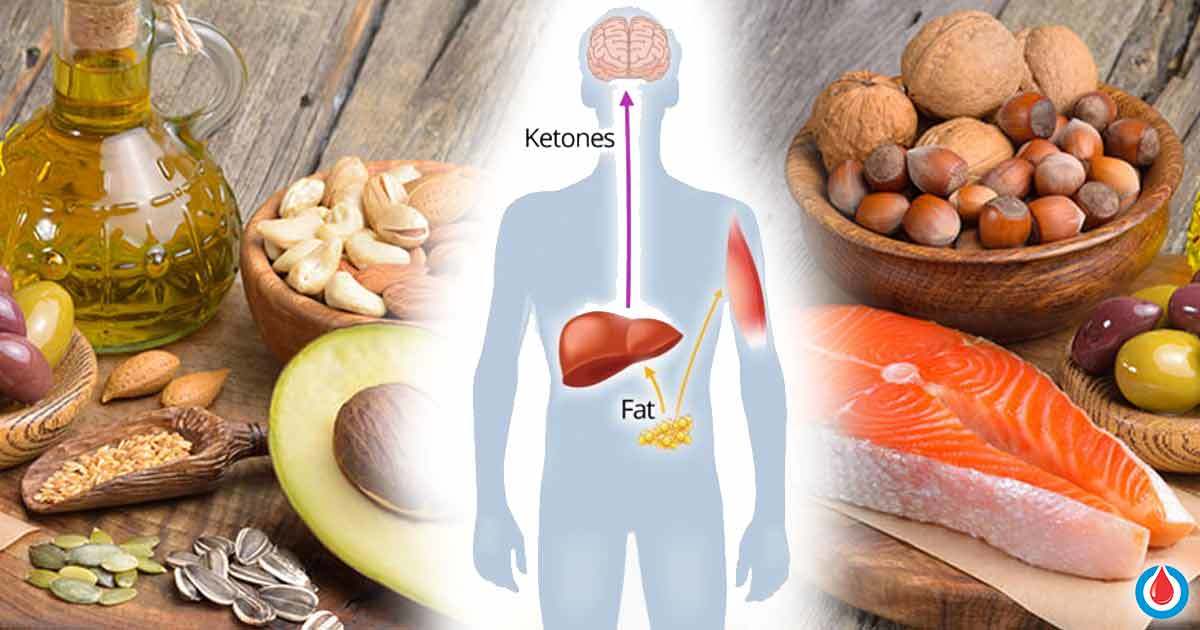 diabeteshealthpage.comprediabetes diabetes ketogenic diet guide beginner diabetestalk
Ketogenic Diet Diabetes Type 1 - Healthy Diet Life - HealthGrean
 healthgrean.comketogenic healthgrean
Ketogenic Diet - How To Go Keto, Side Effects & Suitability
 www.diabetes.co.ukketogenic
Does A Ketogenic Diet Fit In Diabetes Treatment? – Diabetes Daily
 www.diabetesdaily.comdiet diabetes treatment ketogenic does fit daily
Diet diabetes treatment ketogenic does fit daily. Ketogenic healthgrean. Prediabetes diabetes ketogenic diet guide beginner diabetestalk